Clincher detailing: from the farrier's forge to a timeless equestrian classic
In an equestrian world where trends regularly come and go, some design features have endured for generations. Clincher detailing is one of those rare elements that has remained consistently popular across disciplines, decades and changing fashions.
Elegant without being extravagant, refined without being flashy, clincher detailing has become synonymous with classic equestrian style.
Yet the story of the clincher extends far beyond aesthetics. The distinctive metal studs that riders recognise today have roots in the practical trades that formed the foundation of horsemanship: farriery, saddlery and traditional leatherworking. Understanding this history helps explain why clinchers have remained relevant for so long and why they continue to be a favourite among riders seeking timeless tack.
What is clincher detailing?
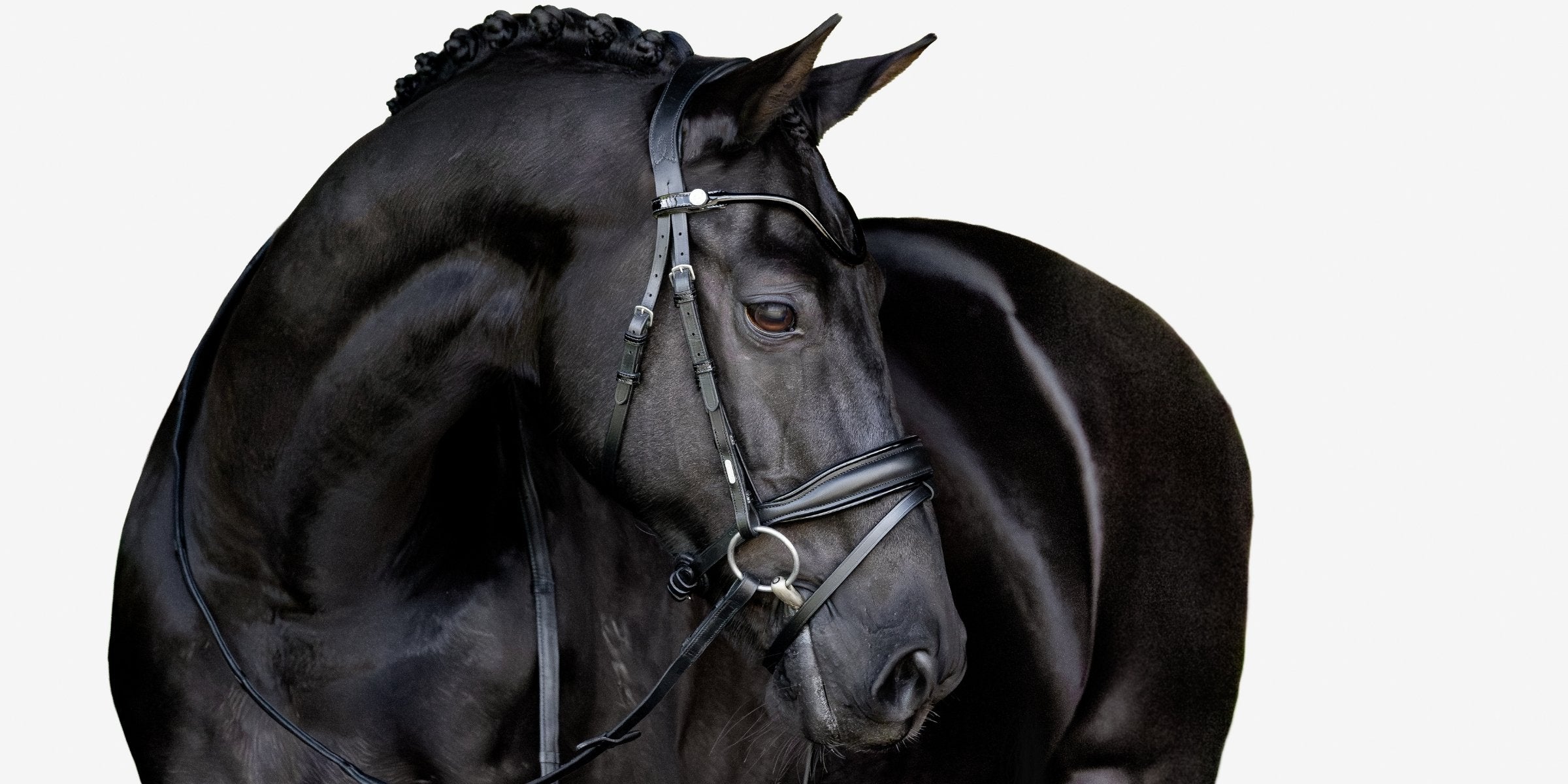
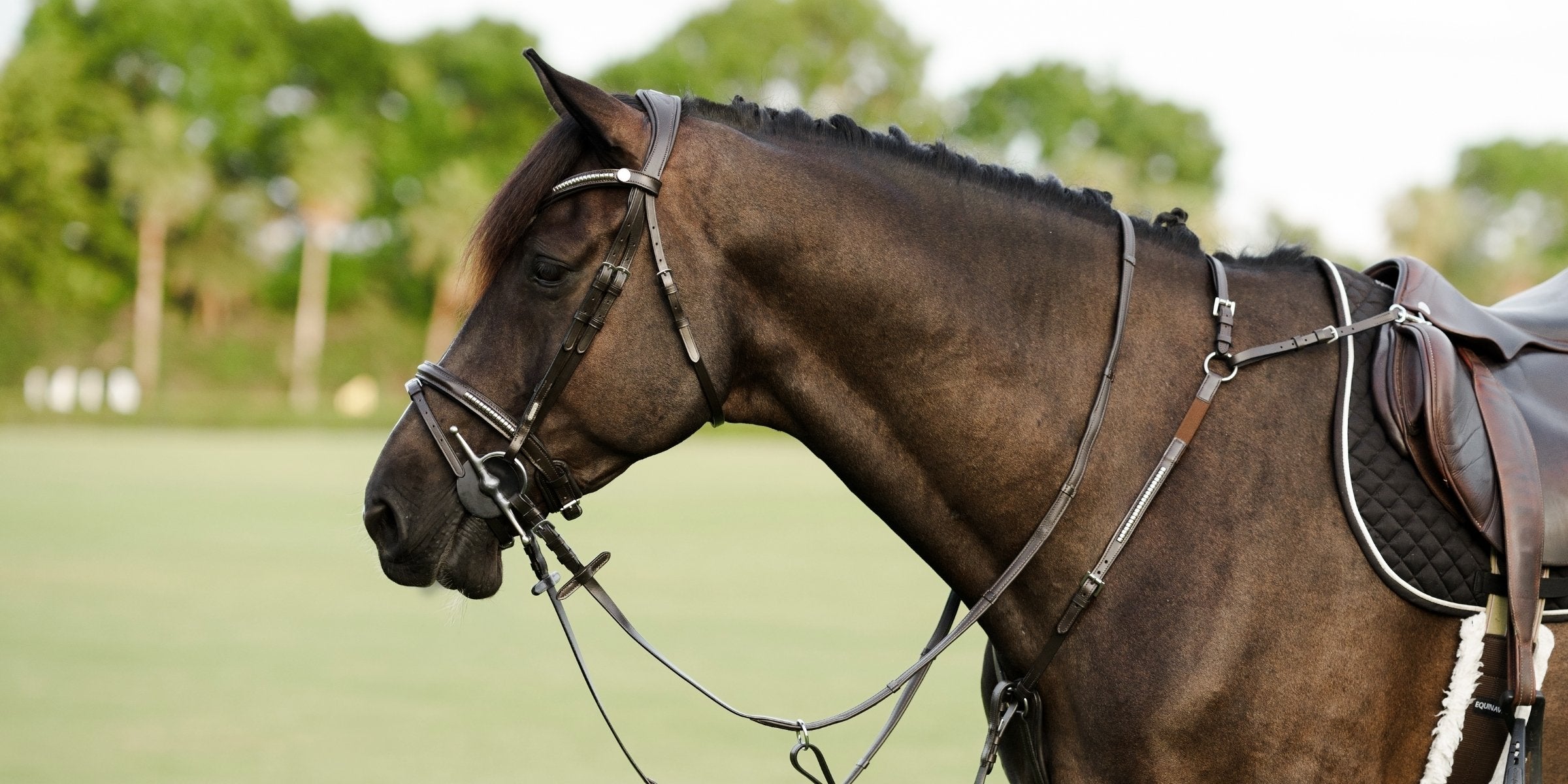
Clincher detailing refers to a row of small metal fittings, typically brass or silver-coloured, incorporated into leatherwork. Most commonly found on browbands, clinchers create a decorative line that adds visual interest while maintaining a clean and traditional appearance.
Unlike crystal browbands, which are designed to sparkle and attract attention, clincher browbands provide a more subtle form of decoration. The metal fittings catch the eye without dominating the overall look of the horse and rider.
This balance is one of the key reasons clinchers have remained so popular. They provide enough detail to elevate turnout while preserving the elegant simplicity that many riders prefer.
Clinchers are favoured across disciplines; from dressage to eventing and showjumping. The design feature is incorporated on tack pieces ranging from leather halters to leather bridles and leather breastplates.
The fascinating history of clinchers
The origins of clincher detailing are deeply intertwined with the history of horseshoeing and leather craftsmanship.
The word clinch comes from the process of fastening or securing a nail by bending over its protruding end. In farriery, this technique remains a fundamental part of fitting a horseshoe. After a nail is driven through the hoof wall, the excess is cut and bent down against the hoof to secure the shoe. These bent-over sections are known as clinches, and the tool used to create them is called a clincher.
For centuries, horses were essential working animals. Every aspect of their care and equipment relied on skilled tradespeople. Farriers maintained horses' feet, blacksmiths forged metal components, and saddlers crafted the leather equipment that connected horse and rider.
The practical hardware used by these craftsmen often became decorative in its own right. Rivets, nail heads and metal fastenings were visible features of traditional leatherwork, and over time these functional details inspired ornamental designs.
As equestrian equipment evolved throughout Europe, decorative brass fittings became increasingly common on harnesses, bridles and military tack. Horse brasses, polished buckles and ornamental fittings were widely used to showcase both craftsmanship and pride in presentation.
Many historians of tack believe that modern clincher detailing evolved from these traditional metal fastenings. The small, evenly spaced studs seen on clincher browbands closely resemble the appearance of decorative nail heads and clinched fasteners used throughout historical leatherwork.
By the nineteenth century, decorative metalwork had become firmly established within equestrian fashion. However, unlike more elaborate ornamentation, clinchers retained a sense of practicality and restraint. They reflected the values of traditional horsemanship, where attention to detail and quality craftsmanship were highly respected, but excessive decoration was often discouraged.
This connection to working craftsmanship remains part of the clincher's appeal today. Every clincher browband serves as a subtle reminder of the farriers, saddlers and leatherworkers whose skills helped shape the equestrian traditions we continue to enjoy.
The perfect balance between plain and embellished
For many riders, clinchers offer the ideal middle ground.
A plain browband provides a clean and traditional appearance but may lack visual interest. At the opposite end of the spectrum, heavily crystalised browbands create significant sparkle and can become a focal point of the horse's turnout.
Clinchers sit comfortably between these two extremes.
The metal detailing adds sophistication and character without becoming overwhelming. This makes clinchers particularly popular among riders who appreciate traditional styling but still want their tack to feel polished and refined.
Many riders also find that clinchers allow the horse itself to remain the focus. Rather than drawing attention to the tack, the detailing complements the overall picture.
A style suitable for every discipline
One of the most impressive aspects of clincher detailing is its ability to suit virtually every equestrian discipline.
In the hunting field, clinchers have long been associated with traditional turnout and classic style.
In dressage, they provide elegant detailing without distracting from the horse's movement and presentation.
Event riders appreciate their versatility, allowing the same bridle to look appropriate during dressage, showjumping and cross-country phases.
Showjumpers often favour clinchers because they add refinement while maintaining a professional appearance.
Even riders who simply enjoy hacking and everyday riding are drawn to the timeless nature of clincher browbands.
Few tack styles offer this level of adaptability.
Why clinchers complement every horse
Another reason clinchers have remained popular is their universal appeal.
Unlike some decorative styles that suit particular horse colours or breeds, clinchers work beautifully across a wide range of horses.
The subtle metallic detailing complements bays, chestnuts, greys, blacks and coloured horses alike.
Similarly, clinchers can enhance the appearance of everything from elegant warmbloods and thoroughbreds to native ponies and cobs.
This versatility makes them an easy choice for riders seeking a classic look that will never clash with their horse's natural appearance.
Clincher styles from Lumiere Equestrian
Lumiere Equestrian has embraced the timeless appeal of clincher detailing throughout several pieces in its collection, combining traditional elegance with modern anatomical design.
For riders seeking a classic standalone browband, Lumiere's Clincher Browband offers a refined and versatile option. Featuring traditional brass clincher detailing, it is ideal for riders who appreciate heritage-inspired styling without excessive embellishment.
The Melodie Bridle combines a curved silver clincher browband with modern comfort features, including an anatomical headpiece and elegant patent noseband. The result is a sophisticated bridle suitable for competition and everyday riding alike.
Riders who prefer brass fittings may be drawn to the Dallas Bridle. Featuring a curved brass clincher browband, contrast stitching and an ergonomic design, it blends traditional aesthetics with practical functionality.
Lumiere also offers replacement clincher browbands, allowing riders to customise existing bridles while maintaining a cohesive and timeless appearance.
These products demonstrate how clincher detailing continues to evolve while staying true to its traditional roots.
Q&As:
1. What is clincher detailing on horse tack?
Clincher detailing consists of small metal studs, typically brass or silver-coloured, set into leatherwork, most commonly on browbands. It provides a refined and traditional appearance that sits between a plain browband and a crystal browband, offering subtle elegance without excessive embellishment.
2. Where does the term "clincher" come from?
The term originates from farriery. A "clinch" is the bent-over end of a horseshoe nail used to secure a shoe to the hoof, while a "clincher" is the tool used to create and tighten those clinches. Many historians believe modern clincher browbands take their name from the resemblance of the metal studs to traditional clinched nail heads and leatherwork fastenings.
3. Why have clincher browbands remained popular for so long?
Clincher browbands have endured because of their timeless design, versatility and connection to traditional craftsmanship. Unlike many fashion trends, clinchers look equally appropriate in the hunting field, dressage arena, showjumping ring or eventing competition, making them a long-lasting investment for riders.
4. Are clincher browbands suitable for all disciplines?
Yes. Clincher detailing is one of the most versatile styles in equestrian tack. It is commonly seen in dressage, showjumping, eventing, showing and hunting, making it an excellent choice for riders who want a classic look that can transition across multiple disciplines.
5. Which Lumiere Equestrian products feature clincher detailing?
Lumiere Equestrian offers several products featuring traditional clincher detailing, including the Straight Clincher Browband, the Melodie bridle and browband, the Perseus bridle as well as breastplate and Dallas Bridle. These products combine the timeless appeal of clinchers with modern anatomical designs focused on horse comfort and performance.