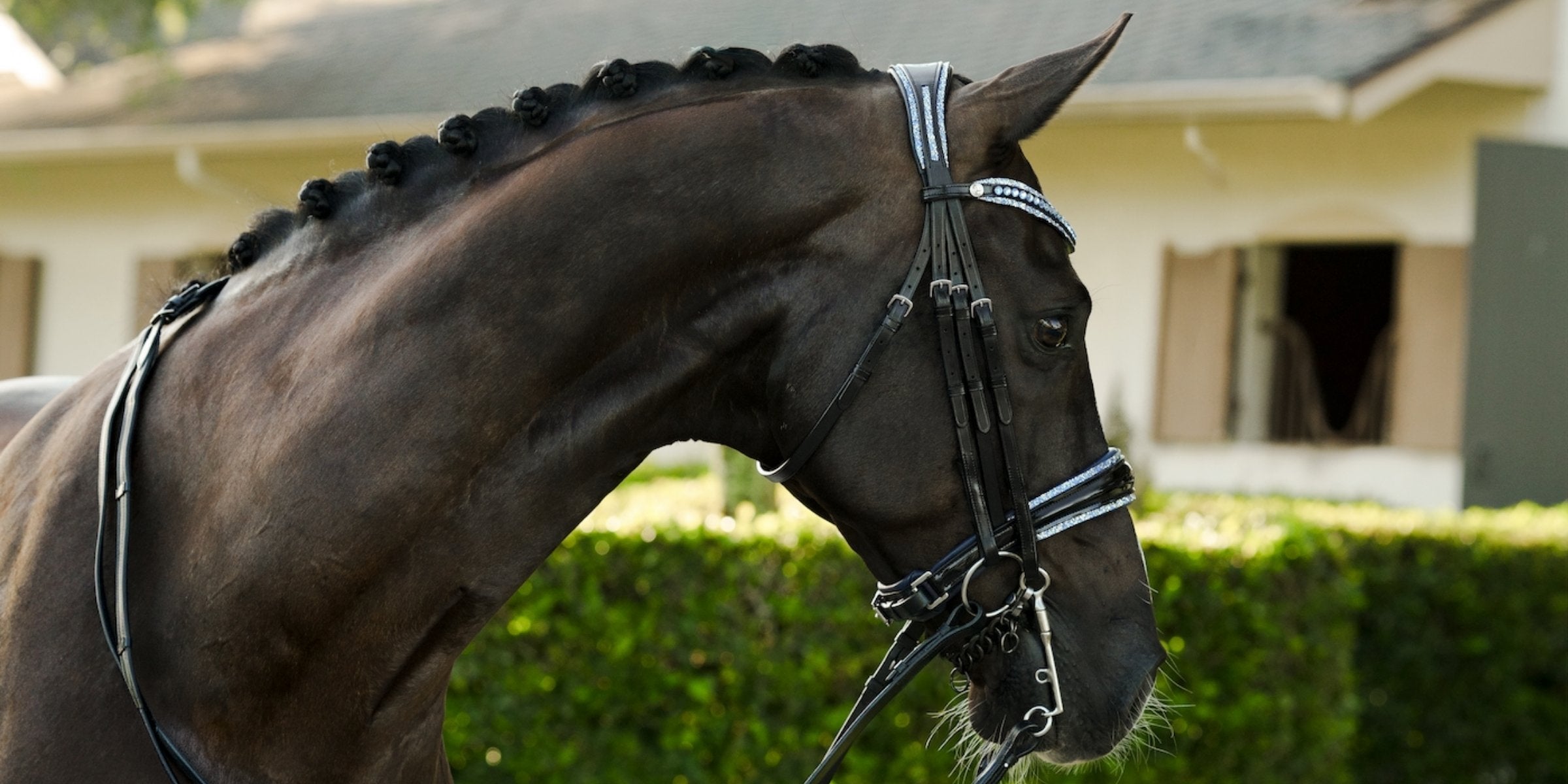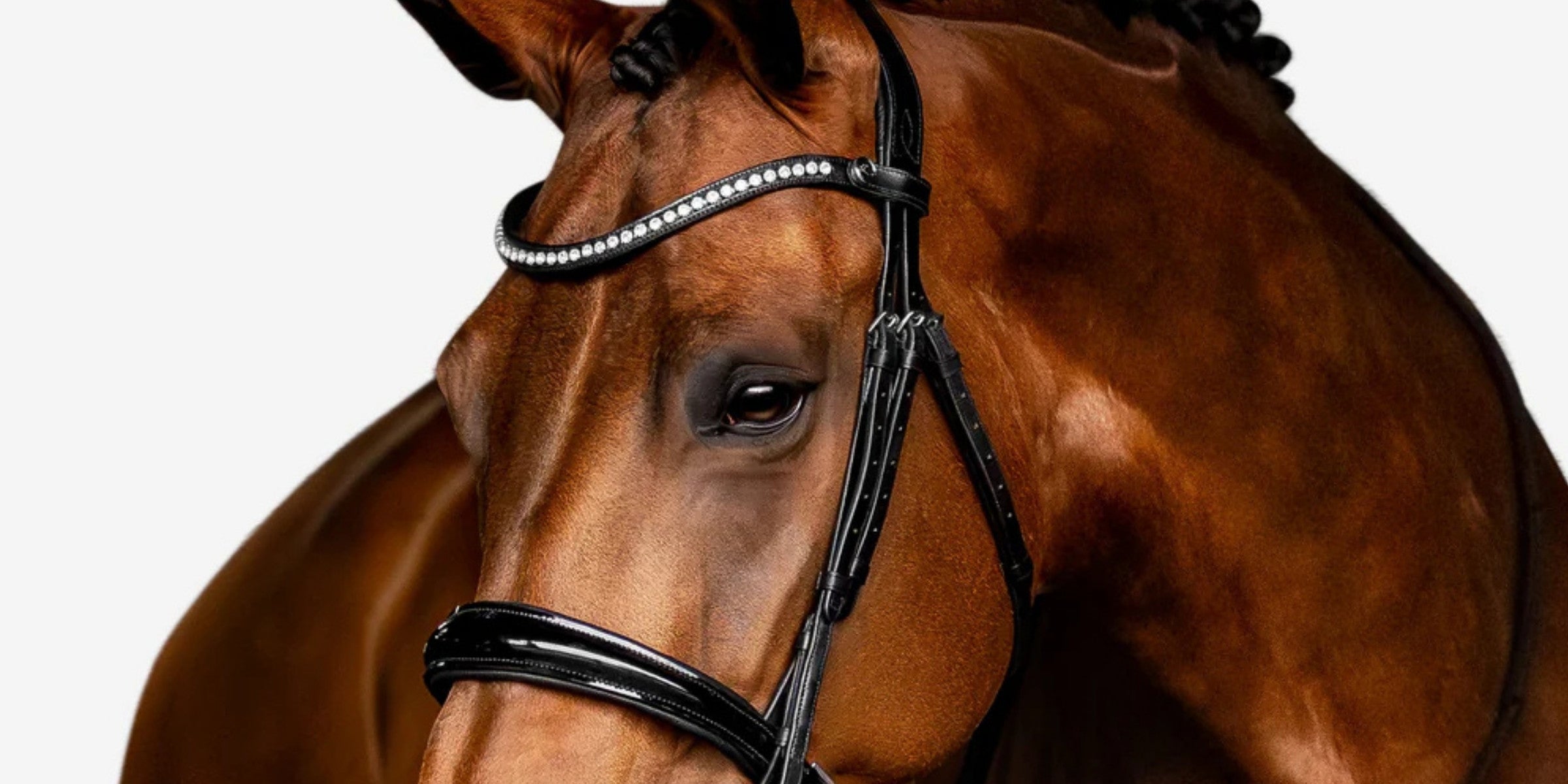
How to bridle and unbridle a horse correctly and softly
Putting a bridle on and taking it off are such routine parts of riding that it is easy to stop thinking about how the horse experiences them. For many horses, bridling happens hundreds or even thousands of times throughout their lives, yet the way we handle these few minutes can have a significant effect on how willingly a horse accepts its tack.
Correct bridling is about much more than simply getting the bridle onto the horse. A soft approach means allowing the horse time to take the bit into its mouth, carefully guiding the headpiece over the ears and making sure no leather, hair or sensitive tissue becomes pinched in the process.
Unbridling deserves just as much care. Pulling the bridle down and allowing a metal bit to knock against the horse's teeth can quickly turn an otherwise positive experience into an uncomfortable one.
Whether you are working with a young horse learning to wear its first bridle or an experienced competition horse, understanding a little about the anatomy underneath the bridle—and recognising that every horse is different—can make bridling and unbridling considerably more comfortable.
Start with a correctly fitted bridle
Before thinking about technique, make sure the bridle itself fits correctly.
Even the highest quality bridle can create discomfort if it is the wrong size or incorrectly adjusted. The browband should not pull the headpiece forward into the ears, the cheekpieces should hold the bit comfortably and the noseband should sit in the correct position without excessive tightness.
Modern anatomical bridles, including the range from Lumiere Equestrian, are designed with pressure distribution and freedom around sensitive areas in mind.
Fit should also be assessed for the individual horse rather than simply assuming that a horse is a standard cob, full or warmblood size. A horse may need a full-size headpiece but shorter cheekpieces, or a larger browband to provide sufficient room around the ears.
Lumiere Equestrian offers individual bridle parts and browbands, making it possible to refine the fit of different areas rather than assuming every part of a standard-sized bridle will suit every horse.
Understand the anatomy underneath the bridle
A bridle may look relatively simple from the outside, but underneath it are bones, muscles, nerves, blood vessels, cartilage and other sensitive structures.
At the top of the head, the headpiece sits around the poll and behind the ears. This area deserves particular attention because the bridle is sitting over and alongside important anatomical structures while also being influenced by the weight and adjustment of the rest of the bridle.
The facial area is equally complex. Straps may sit close to prominent cheekbones, branches of facial nerves and areas where there is relatively little soft tissue between the skin and underlying bone.
Then there are the ears themselves. The base of the ear contains sensitive cartilage and muscles responsible for the remarkable range of movement we see when a horse listens to its surroundings. A headpiece that is pulled too tightly against the ears, or rough handling when putting it on, can therefore be particularly unpleasant.
This is one reason anatomical design has become such an important consideration in modern bridles. Lumiere's anatomical bridle collection uses shaped, gel-padded headpieces intended to provide freedom around the ears and distribute pressure across the poll rather than concentrating it into a narrow area.
Every horse is an individual
There is no single bridle fit that works perfectly for every horse.
Just as humans can have completely different head shapes, sensitivities and preferences, horses are individuals too.
One horse may have a broad forehead and substantial poll, while another has a narrow, refined head. Some horses have prominent cheekbones. Others have particularly large or mobile ears. Thoroughbreds may have quite different proportions from Warmbloods, while cobs and ponies can present entirely different fitting challenges again.
Even two horses technically classified as "full size" may need very different bridles.
Previous experiences matter as well.
A horse that has previously had its ears grabbed or folded roughly underneath a headpiece may become defensive when being bridled. Another horse may have experienced a poorly fitting browband that repeatedly pulled the headpiece into the back of its ears.
Some horses simply appear naturally more sensitive to touch and pressure than others.
Rather than labelling these horses difficult, it is worth asking what they are communicating. A horse raising its head when the bridle approaches, pinning its ears, backing away or becoming reluctant to open its mouth may be telling you that something about the experience is uncomfortable.
Pay particular attention to the ears and poll
The ears deserve special care every single time you bridle.
Once the horse has accepted the bit, gently raise the headpiece towards the poll. Guide each ear underneath individually rather than pulling the headpiece forcefully over both ears.
Avoid folding an ear sharply or pulling the leather against the base of the ear.
Once the bridle is in place, check that the ears can move naturally and that the browband is not pulling the headpiece forward.
The Aurelie Flat Leather Bridle (Cavesson) from Lumiere Equestrian is one example of a traditional-looking bridle incorporating a modern anatomical approach. Its single anatomical gel-padded headpiece is designed to distribute pressure over the poll while avoiding additional straps sitting over this area.
Prepare the bridle before approaching your horse
Good bridling begins before you put anything on the horse.
Make sure the bridle is untangled and ready to use. Check that the reins, cheekpieces and noseband straps are sitting correctly and that there are no twisted pieces of leather.
This is also a useful opportunity to inspect your bridle for damaged stitching, worn leather or anything else that may affect safety or comfort.
If your horse's proportions have changed, individual bridle parts can also be replaced to improve fit without necessarily changing the entire bridle.
Encourage the horse to lower its head
Whenever possible, begin bridling with the horse's head in a comfortable, relatively low position.
Reaching upwards and trying to pull a bridle onto a horse whose head is high can turn bridling into a battle surprisingly quickly.
Instead, stand calmly beside the horse and encourage relaxation. Bring the bridle towards the horse without rushing.
A horse that learns that bridling is predictable and comfortable is much more likely to lower its head willingly in future.
Let the horse take up the bit
One of the most important parts of soft bridling is how the bit enters the mouth.
Do not bang the bit against the front teeth or force it upwards.
Hold the bit gently against the lips and give the horse an opportunity to open its mouth. If necessary, a thumb can be placed carefully into the interdental space—the toothless area between the incisors and cheek teeth—to encourage the horse to open its jaw.
Once the mouth opens, gently guide the bit inside.
Allow the horse to take up the bit rather than pushing it into the mouth.
This distinction may seem small, but repeated every day it can make a significant difference to how a horse feels about being bridled.
Lift the bridle rather than the bit
Once the bit is inside the mouth, support the bridle and gently lift the headpiece towards the poll.
Avoid using the bit itself to pull the horse's head upwards.
The bit should remain quietly in the mouth while your hands guide the leather into position.
Soft, supple leather can make this process easier because it follows the contours of the horse's head rather than sitting stiffly against it. Lumiere's leather bridles are made with anatomical design and gel padding intended to combine this suppleness with pressure distribution.
Check the whole bridle before fastening it
Once both ears are comfortably underneath the headpiece, pause.
Check that the browband is sitting correctly, no mane is trapped beneath the headpiece, the cheekpieces are straight and the bit is sitting evenly.
Also look at your horse.
Is the horse relaxed? Can the ears move normally? Is the jaw relaxed?
Only then should you fasten the remaining straps.
For horses that are particularly sensitive around the nose or jaw, some riders may also consider a nosebandless design. The Sansa Nosebandless Bridle and Sienna Nosebandless Bridle from Lumiere Equestrian remove the traditional noseband altogether while retaining an anatomical, gel-padded headpiece.
Unbridling deserves the same attention
A beautifully soft bridling routine can be undone in seconds if the bridle is then pulled roughly off the horse's head.
Before unbridling, completely undo the noseband, throatlash and any additional straps.
Support the bridle as you carefully bring the headpiece forward and guide each ear out individually.
Again, watch the ears. Do not simply drag the crownpiece over them.
Let the horse drop the bit into your hand
Once the ears have cleared the headpiece, don't pull the bridle down.
The horse still has a metal bit inside its mouth.
Instead, support the weight of the bridle and wait.
Give the horse time to open its mouth and release the bit naturally. As it does, lower your hand with the bit so that it comes away from the mouth slowly rather than hitting the incisors.
Think of the horse as dropping the bit into your hand.
It may only add a second or two to your routine, but it is a much softer way to remove a bridle.
Listen when your horse tells you something has changed
If a normally easy horse suddenly becomes difficult to bridle, investigate rather than assuming the horse has developed a bad habit.
Look at the entire picture.
Has the horse changed shape? Is the browband now too small? Is the headpiece sitting against the ears? Has the bit changed? Are the cheekpieces now the wrong length? Is the noseband positioned correctly?
Dental discomfort, sensitivity around the ears and other physical problems may also need professional assessment.
Lumiere Equestrian's bridle sizing information and interchangeable bridle parts can help riders adjust individual components where proportions don't neatly correspond to one standard size.
Soft bridling is about the small details
Good horsemanship often comes down to moments that nobody else sees.
It is the extra second you give your horse to open its mouth. It is moving an ear gently instead of pulling a headpiece over it. It is noticing that your horse's browband has become a little snug. And it is waiting at the end of a ride while your horse quietly drops the bit into your hand.
Horses are individuals, just like us. Their anatomy, sensitivity, previous experiences and preferences vary, and our handling should reflect that.
A thoughtfully fitted anatomical bridle from Lumiere Equestrian can provide a comfortable foundation, but the rider's hands complete the picture.
Bridle slowly, watch the ears, pay attention to your horse's response and allow the bit to enter and leave the mouth softly. These small habits can help make putting on and taking off the bridle a calm, comfortable experience every day.