Why are bridles made from leather? The science, history and safety behind it
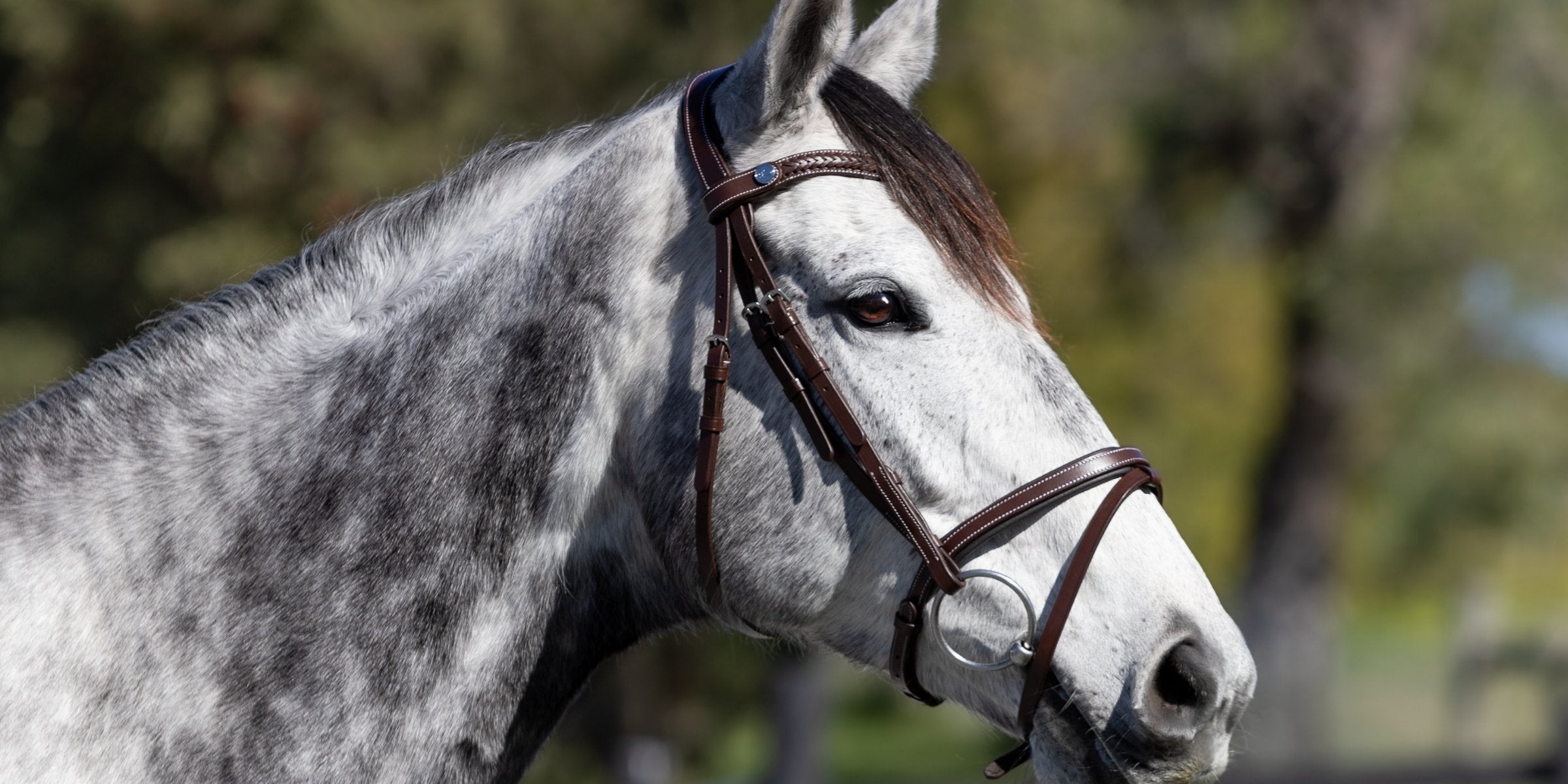
Walk into almost any tack room in the world and you'll notice one thing immediately: the overwhelming majority of bridles are made from leather. Despite advances in synthetic materials, plastics and modern textiles, leather remains the gold standard for horse bridles across every major equestrian discipline.
This isn't simply because of tradition or appearance. Leather has been the preferred material for horse bridles for thousands of years because it possesses a unique combination of strength, flexibility, comfort and safety that very few other materials can replicate.
While synthetic horse bridles certainly have their place, particularly for endurance riding or riders seeking low-maintenance tack, leather continues to dominate the market for good reason.
Brands such as Lumiere Equestrian continue to build on this heritage by combining premium leather with modern anatomical design, creating bridles that prioritise both comfort and performance. Browse the full range of premium leather bridles here: https://www.lumiereequestrian.com/collections/lumiere-bridle-collection. Lumiere's bridles are handcrafted from premium leather with anatomical headpieces and gel padding designed to maximise comfort for the horse.
Leather has stood the test of time
Humans have been using leather to make bridles for well over 2,000 years.
From the cavalry horses of ancient Rome through to today's Olympic dressage horses, the basic material has remained remarkably unchanged. While buckle designs, stitching methods and anatomical shaping have evolved, leather itself has continued to prove its value.
That's because horses haven't changed.
Their skin is still delicate.
Their heads still move constantly.
Their comfort still depends on equipment that is strong enough to communicate with the rider, yet soft enough to avoid unnecessary pressure.
Leather continues to strike that balance better than almost any alternative.
Leather is incredibly strong—but importantly, it can also break
One of the biggest misconceptions is that the strongest possible material is automatically the safest.
In reality, that's often not true.
Leather has exceptional tensile strength for everyday riding, but under an extreme load it will eventually fail.
This controlled failure is actually an important safety feature.
Imagine a horse becoming caught on a fence, stable door or tree branch while wearing a bridle.
If the bridle were made from an unbreakable material such as steel cable or certain high-strength synthetic webbing, something else has to give.
That "something else" may be:
- the horse's jaw
- facial bones
- poll
- cervical vertebrae
- soft tissues
- or even the rider.
A well-made leather bridle acts as a mechanical "fuse."
In an emergency, the leather or stitching may fail before catastrophic injury occurs.
Replacing a cheekpiece is far preferable to treating a fractured skull or severe neck injury.
Reducing injury to horse and rider
Because leather has a degree of controlled stretch before failure, it also absorbs sudden forces more gradually than many rigid materials.
This can reduce peak loading during unexpected situations such as:
- horses pulling back while tied
- becoming caught on obstacles
- falls
- trailer accidents
- emergency dismounts
Many experienced horse people have stories of leather horse tack breaking during an accident—and being grateful that it did.
Although nobody wants expensive horse tack to fail, the cost of replacing leather is insignificant compared with preventing serious injury.
Leather becomes softer over time
One of leather's greatest advantages is that it changes with use.
Unlike plastic or rubber, leather doesn't simply stay the same shape forever.
Instead, quality leather gradually moulds itself to both the horse and rider.
This means:
- softer contact points
- fewer pressure spots
- greater flexibility
- increased comfort.
Premium leather actually becomes better with age when properly maintained.
This is one reason riders often say that an older, well-cared-for leather horse bridle is more comfortable than a brand-new one.
Lumiere bridles are designed using premium, butter-soft leather from the very beginning, allowing them to feel supple straight out of the box while continuing to mould naturally with regular use. Explore the collection here: https://www.lumiereequestrian.com/collections/lumiere-bridle-collection.
Leather moulds to your horse's unique anatomy
No two horses have identical heads.
Some have broad foreheads.
Others have narrow polls.
Some have prominent facial bones.
Others have very fine skin.
Because leather gradually adapts to these individual differences, it creates a more personalised fit than many rigid synthetic materials.
This is particularly important around areas such as:
- the poll
- browband
- cheekpieces
- noseband
- jaw.
Modern anatomical bridles take this even further.
For example, many of the leather bridles in the Lumiere collection feature anatomically shaped headpieces with gel padding over the poll and nose to distribute pressure more evenly across the horse's head while maintaining the natural benefits of premium leather.
Leather is comfortable against sensitive skin
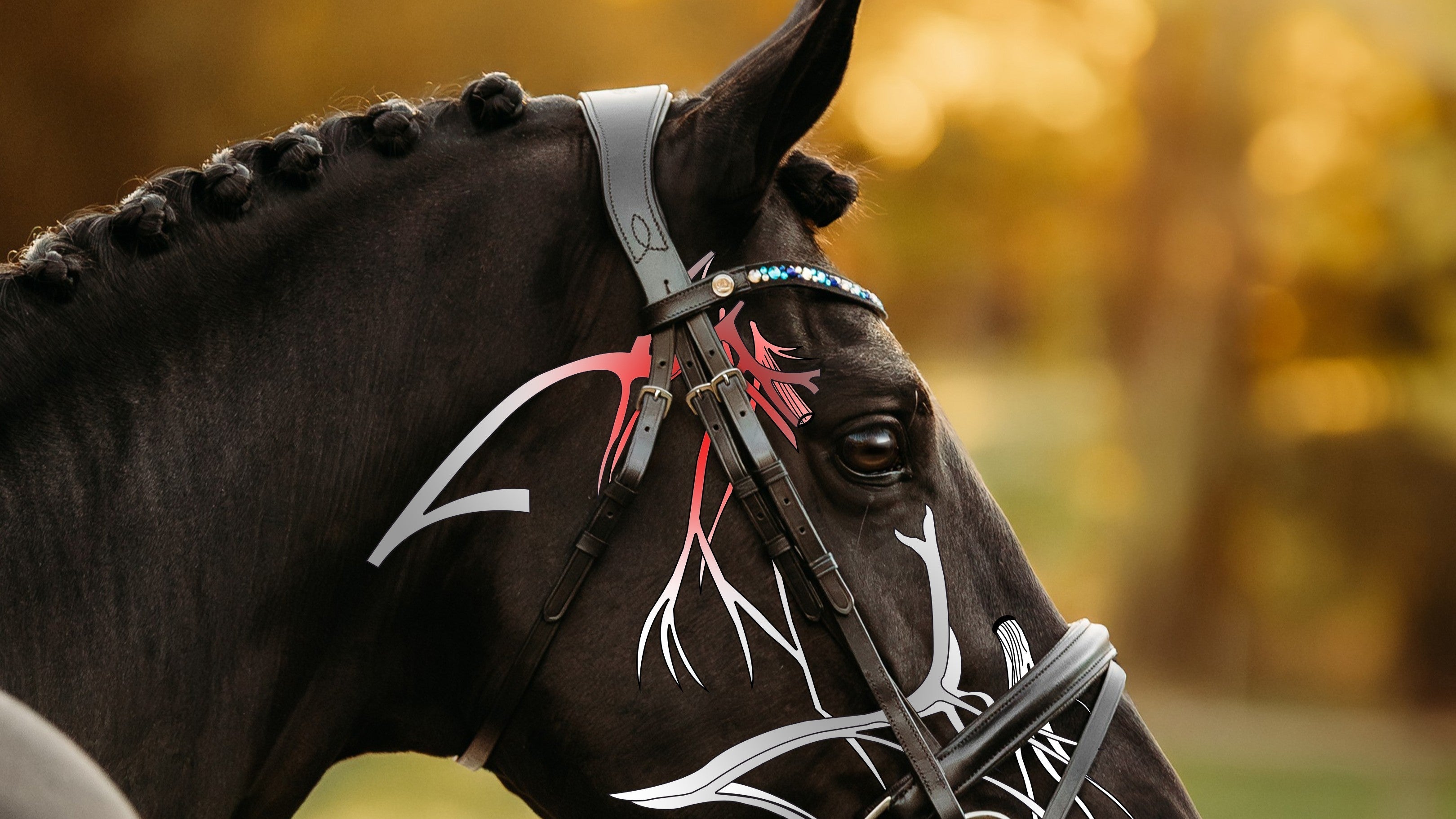
The horse's face contains numerous sensitive nerves, blood vessels and thin layers of skin.
Bridle materials therefore need to minimise rubbing while allowing natural movement.
Quality leather offers several advantages:
- smooth surface finish
- natural flexibility
- low friction
- breathability
- minimal stiffness once broken in.
Many synthetic materials are improving, but some can still become rigid in cold weather or excessively hot in direct sunlight.
Leather generally remains comfortable across a much wider range of environmental conditions.
Leather offers excellent grip
Another often-overlooked advantage is grip.
Leather provides enough friction to remain stable without becoming sticky.
This helps keep:
- cheekpieces in position
- nosebands stable
- reins secure in the rider's hands.
As leather ages, this natural grip often improves further.
This is one reason why leather reins continue to be preferred by many dressage, eventing and showjumping riders.
Leather lasts for decades
Few equestrian purchases offer the lifespan of quality leather.
With proper care, a premium leather bridle can last many years—and sometimes several decades.
Many riders still use bridles inherited from parents or grandparents.
That longevity comes from:
- quality tanning
- proper stitching
- regular cleaning
- leather conditioning
- correct storage.
Rather than wearing out quickly, leather develops character over time.
Small marks become part of the story of the bridle rather than signs that it needs replacing.
Leather can be repaired
Unlike many synthetic bridles, leather is highly repairable.
Individual components can often be replaced, including:
- cheekpieces
- throatlashes
- reins
- browbands
- nosebands
- keepers.
Many brands also sell replacement parts separately.
Lumiere Equestrian offers a wide range of replacement bridle parts, allowing riders to replace individual components rather than purchasing an entirely new bridle. This not only improves value but also helps extend the life of quality leather tack. https://www.lumiereequestrian.com/collections/bridle-parts
Leather ages beautifully
Few materials improve aesthetically with time.
Leather is one of them.
As oils from regular conditioning penetrate the fibres, quality leather develops a rich patina that simply cannot be replicated by synthetic alternatives.
This is especially noticeable in Havana brown, chestnut and tan leather, which gradually deepen in colour while maintaining their elegance.
The timeless appearance of leather
Horse sport is steeped in tradition.
From Olympic dressage to local pony club competitions, leather bridles remain the benchmark for presentation.
Leather complements:
- saddles
- boots
- girths
- breastplates
- reins
- harness.
It photographs beautifully and develops a classic finish that never goes out of style.
Whether your preference is understated elegance or sparkling crystal browbands, leather provides the perfect foundation.
Leather supports precise craftsmanship
Leather allows manufacturers to produce highly refined details that would be difficult using moulded synthetic materials.
These include:
- rolled leather
- clincher detailing
- decorative stitching
- contrast piping
- raised nosebands
- hand-finished edges
- anatomical shaping.
Each component can be carefully cut, stitched and finished by skilled craftsmen.
The result is a bridle that not only performs well but also reflects the craftsmanship invested in its construction.
Leather is remarkably versatile
Leather suits almost every riding discipline.
Whether you compete in:
- dressage
- showjumping
- eventing
- showing
- hunting
- pleasure riding
there is a leather bridle specifically designed for that purpose.
From minimalist flat bridles to double bridles, grackles, drop nosebands, Hanoverian nosebands and bitless designs, leather adapts beautifully to countless configurations.
Modern leather bridles combine tradition with innovation
Choosing leather today doesn't mean choosing old-fashioned design.
Modern manufacturers have incorporated significant advances, including:
- anatomical headpieces
- pressure-relieving padding
- ergonomic nosebands
- removable flash attachments
- interchangeable browbands
- adjustable cheekpieces
- lightweight construction.
Lumiere Equestrian is an excellent example of this evolution. Every leather bridle is handcrafted from premium leather while incorporating anatomical features designed to improve comfort without sacrificing the traditional qualities riders love.
Lumiere's leather bridle collection includes everything from traditional styles such as the Milan and Melodie to elegant crystal options like the Anastasia, ensuring riders can choose a design that matches both their discipline and personal style.
Looking after a leather bridle
To maximise longevity:
- Wipe down your bridle after every ride.
- Remove sweat and dirt regularly.
- Condition the leather using a quality leather conditioner.
- Inspect stitching and buckles frequently.
- Store it in a cool, dry location.
- Avoid allowing leather to dry out completely.
With simple routine maintenance, a quality leather bridle can provide many years of reliable service.
Why leather continues to be the best choice
Modern synthetic materials have introduced useful alternatives for certain situations, but leather continues to offer an unmatched combination of qualities.
It is:
- strong enough for everyday riding
- capable of breaking under extreme pressure to help reduce injury
- naturally soft and comfortable
- able to mould to each individual horse
- highly durable
- repairable
- aesthetically timeless
- suitable for virtually every discipline
- backed by centuries of proven performance.
That combination explains why leather remains the material of choice for riders across the world.
Final thoughts
Bridles are made from leather by design—not by coincidence. Over centuries, leather has earned its reputation because it provides the balance that horses and riders need most: strength without excessive rigidity, softness without sacrificing durability, and timeless style without compromising function.
Modern brands like Lumiere Equestrian have taken these traditional advantages and enhanced them with anatomical design, premium craftsmanship and comfort-focused features. Whether you're looking for a classic dressage bridle, a versatile convertible style or a modern jumping bridle, the leather foundation remains the same because it continues to be the best material for the job.
Browse the complete range of premium leather bridles and bridle parts at Lumiere Equestrian:
- https://www.lumiereequestrian.com/collections/lumiere-bridle-collection
- https://www.lumiereequestrian.com/collections/bridle-parts
Every piece is handcrafted from premium leather and anatomically designed to maximise comfort for both horse and rider.
Q&As:
1. Why are most horse bridles made from leather?
Leather offers the ideal combination of strength, flexibility, comfort and durability. It is strong enough for everyday riding, soft enough to mould to the horse's face over time and, in extreme situations, can break under excessive pressure to help reduce the risk of serious injury.
2. Is a leather bridle safer than a synthetic bridle?
In many situations, yes. Quality leather is designed to withstand normal riding forces but can fail under extreme pressure, such as if a horse becomes caught on a fence or pulls back violently. This "safety fuse" effect may help prevent more serious injuries to the horse or rider.
3. How long should a quality leather bridle last?
With regular cleaning, conditioning and proper storage, a premium leather bridle can last for many years, and sometimes even decades. Many leather bridles can also be repaired by replacing individual parts, making them a long-term investment.
4. Why is leather more comfortable for horses?
Leather naturally softens and moulds to the unique shape of each horse's head, helping to reduce pressure points and rubbing. Combined with modern anatomical designs and quality padding, it provides excellent comfort while maintaining stability and clear communication between horse and rider.
5. Why do riders still choose leather bridles today?
Leather remains the preferred choice because it combines centuries of proven performance with timeless style. Modern leather bridles, such as those from Lumiere Equestrian, blend traditional craftsmanship with anatomical designs, premium materials and comfort-focused features that suit horses across every riding discipline.