Is your horse telling you their bridle doesn’t fit?
As riders, we spend a lot of time trying to understand our horses. We notice when they feel slightly uneven, when their energy levels change or when they are simply not quite themselves. Yet when it comes to tack, some of the most subtle signs of discomfort can easily be mistaken for behavioural problems, training issues or even rider error.
Your horse cannot tell you that their headpiece is creating pressure behind the ears or that their noseband is pinching a sensitive area of the face. Instead, they communicate through behaviour, movement and changes in the contact.
Head shaking, an unsteady contact, excessive rubbing after the bridle is removed and reluctance to accept the bit can all potentially be signs that it is time to take a closer look at your horse’s bridle fit.
This is one of the reasons bridle comfort and fit sit at the heart of Lumiere Equestrian. With horses and riders around the world using different bits, competing across different disciplines and working with completely different equine head shapes, improving bridle fit is not about creating one universal solution. It is about giving riders more thoughtful options and encouraging them to pay closer attention to what their horse may be telling them.
So, is your horse trying to tell you their bridle doesn’t fit?
Why correct bridle fit matters
A bridle is one of the most important points of communication between horse and rider. Unlike a saddle, which many riders have professionally fitted and regularly checked, a bridle is often purchased in a standard pony, cob, full or warmblood size, adjusted until it looks approximately right and then used for years.
The problem is that horses do not have standard-sized heads.
One horse may have a long, narrow face with a delicate muzzle. Another may have a broad forehead, large ears and a shorter nose. Even two horses of the same height and breed can require completely different bridle adjustments or individual bridle parts.
This variation in equine anatomy is a major focus behind Lumiere's approach to bridle design. Lumiere Equestrian is focused on horse comfort and improving bridle fit for horses around the world, recognising that thoughtful design, adjustability and access to different bridle components can all play a role in creating a more individual fit.
A poorly fitting bridle can create pressure, pinching and rubbing around sensitive areas of the horse’s head. Because the bridle also holds the bit in position, incorrect fit can influence how the bit sits in the mouth and potentially affect the consistency of the rein contact.
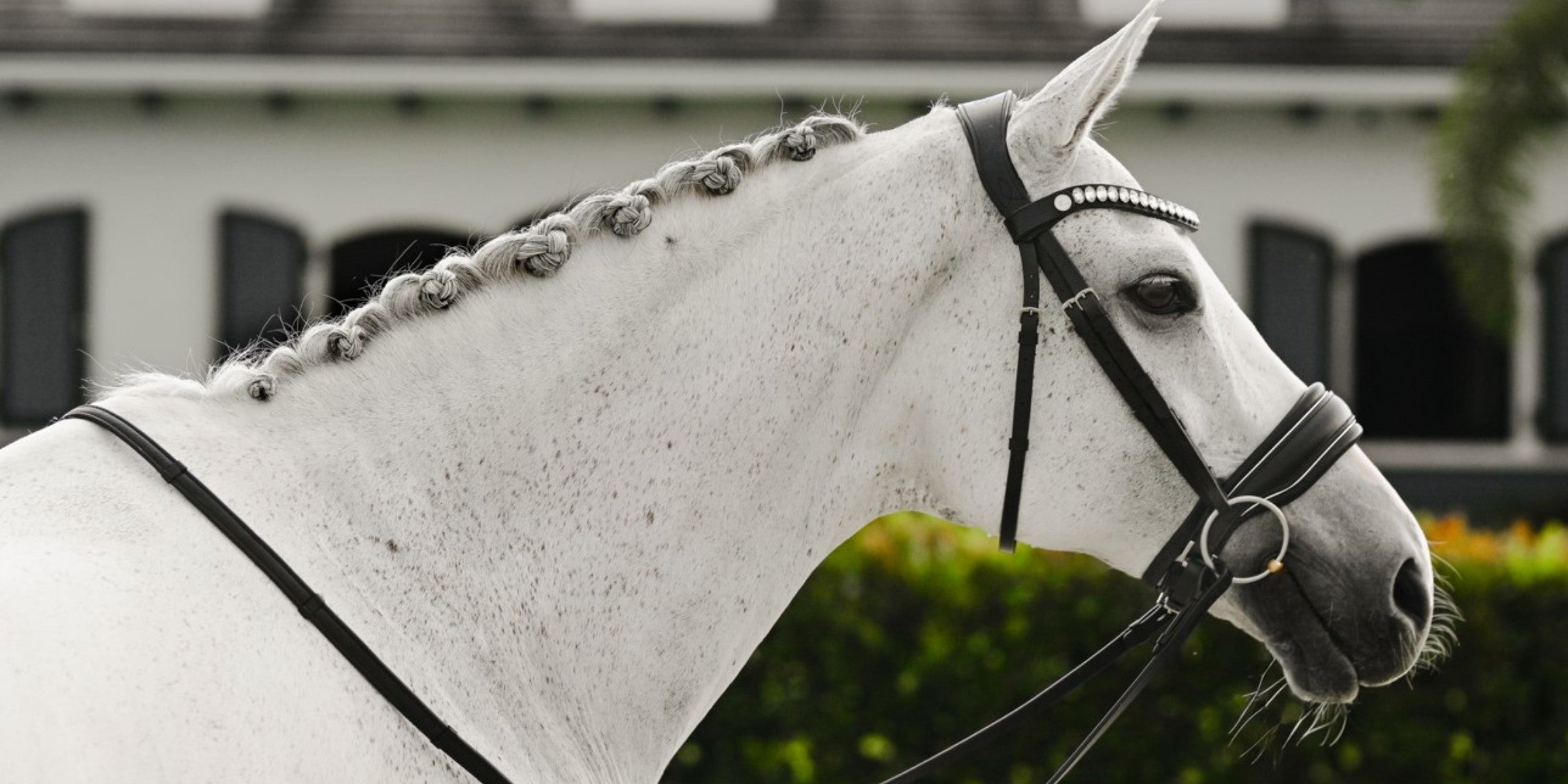
Modern anatomical bridles are designed with the anatomy of the horse’s head in mind. Features such as shaped headpieces, padding and carefully positioned nosebands can help distribute pressure and provide greater freedom around sensitive areas.
However, even the most thoughtfully designed bridle still needs to be correctly sized and adjusted for the individual horse.
Sign one: your horse is shaking their head
Head shaking while ridden can have many possible causes and should never automatically be blamed on the bridle. Dental discomfort, the bit, allergies, insects and other physical issues may all need to be considered.
However, tack fit should absolutely be part of your checklist.
If your horse begins shaking their head shortly after the bridle is fitted or becomes noticeably worse once rein contact is established, carefully assess how the bridle is sitting.
Start at the poll.
The headpiece should sit comfortably behind the ears without pressing tightly against the base of the ear. A headpiece that is too wide in the wrong areas, too tight or pulled forward by other bridle components may create unwanted pressure.
The browband can also influence the headpiece. A browband that is too small may pull the headpiece forward and into the back of the ears. This is why the browband should never be considered purely decorative.
Yes, we love sparkle, clincher detailing and a beautiful finish, but fit must always come first.
This balance between style and comfort is something Lumiere continues to focus on when developing its bridle collection. A beautiful bridle should still consider the sensitive structures of the horse's head and allow riders to make practical adjustments for their individual horse.
The Lumiere Equestrian bridle collection features anatomically shaped designs with gel padding over the poll and nose. The aim of this style of bridle design is to consider pressure distribution and comfort while still creating an elegant finish.
If your horse is regularly shaking their head, check whether the behaviour changes when you alter the fit or use a different bridle. Small changes can sometimes provide important clues.
Sign two: your contact suddenly feels unsteady
We often assume an inconsistent contact is a training problem.
The horse is not accepting the bit. They are behind the contact. They are leaning. They are opening their mouth. They are constantly changing the position of their head.
Of course, training and rider influence can play a significant role. However, if your normally consistent horse suddenly develops an unsteady contact, your tack deserves a closer inspection.
The bridle determines where the bit sits in the horse’s mouth. If the cheek pieces are too long, the bit may sit too low. If they are too short, the bit may be pulled too high into the corners of the mouth.
The style and size of the bit rings can also influence bridle fit. A change of bit may mean your cheek pieces need to be readjusted or, in some cases, changed for a different length.
This is particularly important when moving between bits with significantly different ring designs.
If your horse feels as though they are constantly searching for a comfortable position in the contact, look at the entire bridle and bit setup rather than assessing each component in isolation.
One of Lumiere's goals is to encourage riders to think beyond standard bridle sizing. Improving bridle fit for horses globally means acknowledging that a cob-sized horse may not require cob-sized components from poll to nose.
Lumiere offers a range of bridle parts, which can be particularly useful for horses that do not fit neatly into one standard bridle size. A horse may require a full-sized headpiece, cob cheek pieces and a completely different noseband size.
A mixed-size bridle is not a failure of fit. In many cases, it is simply a more accurate reflection of your horse’s individual anatomy.
Sign three: your horse rubs excessively after the bridle is removed
Many horses enjoy a good scratch after work. Sweat, warmth and a slightly itchy forehead can make a post-ride rub completely normal.
But there is a difference between a quick, satisfied scratch and frantic or excessive rubbing immediately after the bridle is removed.
If your horse repeatedly tries to rub their face, poll or nose after riding, pay attention to exactly where they are targeting.
Excessive rubbing can sometimes be associated with pressure or altered sensation in an area. If tack has been pressing too firmly, the horse may experience discomfort, tingling or a numb sensation. When the pressure is removed, the area may feel irritating as normal sensation returns.
Think about your own experience of wearing something too tight. When you remove it, you may immediately want to rub or scratch the area.
Your horse may be communicating something similar.
After removing the bridle, gently run your hands over the poll, behind the ears, beneath the browband and around the noseband area. Look for heat, swelling, sensitivity, flattened hair or obvious pressure marks.
Also observe your horse’s reaction. Do they move away when you touch one particular area? Do they raise their head? Pin their ears? Suddenly become defensive?
These small reactions should not be ignored.
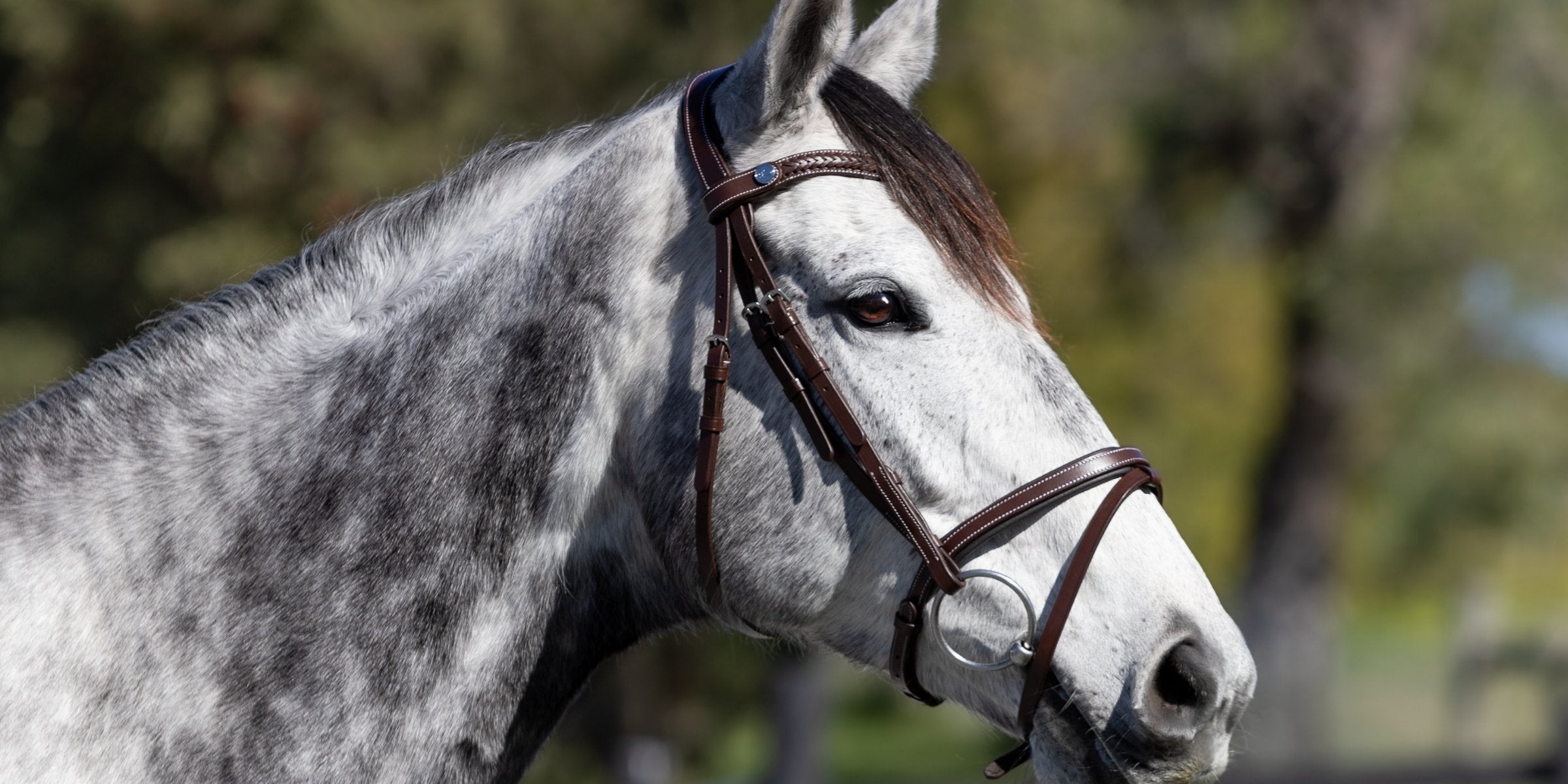
A bridle such as the Milan convertible bridle features a gel-padded anatomical monocrown headpiece shaped away from the ears, alongside a gel-padded noseband. These features reflect Lumiere's ongoing focus on comfort and the belief that bridle design should continue evolving as riders better understand the importance of fit.
Sign four: your horse is reluctant to be bridled
Does your horse suddenly become ten feet tall when you approach with the bridle?
Perhaps they lift their head, turn away or clamp their mouth shut.
It is easy to label these behaviours as naughty, especially when we are trying to tack up quickly before a lesson or competition. However, reluctance to accept the bridle may be your horse anticipating discomfort.
First, determine exactly when the behaviour begins.
Does your horse object when they see the bridle? When the bit approaches their mouth? When the headpiece passes over their ears? When you fasten the noseband?
The timing of the reaction can provide valuable information.
A horse that is particularly sensitive when the headpiece is placed behind the ears may be experiencing poll or ear pressure. A horse that reacts when the noseband is fastened may be uncomfortable with the noseband fit or position.
A horse reluctant to take the bit may require a dental and bitting assessment.
Never assume one piece of tack is automatically responsible. Instead, use your horse’s behaviour as information.
At Lumiere Equestrian, the philosophy behind anatomical design is not that one bridle can magically solve every problem. Instead, the focus is on creating comfortable, considered tack and helping riders find a better fit for their individual horse.
The Mila anatomic leather bridle is designed with a broad, single-strap anatomical headpiece shaped away from the ears and gel padding across the poll and nose. Designs that consider sensitive areas of the horse’s head may be worth exploring for horses that appear particularly reactive to traditional bridle shapes.
Sign five: you notice hair loss, pressure marks or rubbing
Physical signs are often easier to identify than behavioural ones.
After riding, look carefully at your horse’s head.
Are there areas where the hair is repeatedly flattened in an unusual direction? Is there hair loss behind the ears? Are there rub marks beneath the noseband or around the cheeks?
A small rub can quickly become a bigger problem when the same piece of tack is used every day.
Pay particular attention during coat changes. A bridle that appeared to fit well throughout winter may suddenly begin rubbing as the horse loses their thicker coat.
Leather condition matters too.
Bridle leather should be kept clean, supple and appropriately conditioned. Dried or stiff leather is less able to comfortably mould around the horse’s head and may create friction.
Regularly clean your bridle and check the edges of the leather, stitching and padding. The Lumiere Equestrian bridle range is handcrafted from premium leather, but like all quality leather tack, correct care remains essential to maintain its softness and longevity.
Comfort does not stop at the initial bridle design. Correct sizing, adjustment, leather care and regular fit checks all form part of Lumiere's broader focus on improving the way bridles fit horses around the world.
Sign six: your horse opens their mouth or crosses their jaw
A horse opening their mouth is often met with one immediate response: tighten the noseband.
But before moving up another hole, stop and ask why the horse is opening their mouth.
Is the bit comfortable and correctly sized?
Are the cheek pieces holding the bit at the appropriate height?
Is the noseband sitting in the correct position?
Could the noseband itself already be too tight?
Is the horse experiencing dental discomfort?
Simply tightening the noseband may hide a symptom without addressing the underlying cause.
Different horses also suit different noseband styles. Some horses perform comfortably in a traditional cavesson, while others may suit a different anatomical design.
The Milan convertible bridle provides the option of being used as a cavesson or Hanoverian-style bridle with a flash, allowing riders to adapt the noseband setup.
Giving riders options is an important part of improving bridle fit. The goal should never be to force every horse into exactly the same setup simply because it is traditional or currently popular.
The key is not to choose a noseband based purely on appearance or because everyone at your yard uses the same style. Consider your horse, your discipline and the individual fit.
Sign seven: your horse feels different after a tack change
One of the clearest indications that tack may be influencing your horse is a noticeable change following an adjustment.
Perhaps you changed the browband and your horse suddenly feels more settled.
Maybe you moved the cheek pieces one hole and the contact improved.
Perhaps you changed to a more anatomical headpiece and noticed less head movement.
These observations are valuable.
Riders are sometimes hesitant to trust small changes because they seem too simple. However, horses experience the bridle through direct contact with highly sensitive areas of the head.
A few centimetres can make a significant difference to where a strap sits.
This is why Lumiere continues to place such an emphasis on bridle fit and comfort. Improving the fit of bridles for horses around the world is not always about dramatic redesigns. Sometimes it is about reconsidering a pressure point, changing the shape of a headpiece or giving a rider the ability to select a more suitable component size.
When changing tack, try to change one component at a time where practical. This makes it easier to identify what may be influencing the horse.
How to check your horse’s bridle fit
Start by looking at the entire horse rather than immediately focusing on one buckle.
Stand in front of your horse and check that the bridle appears symmetrical. Look at the browband, headpiece and noseband.
Next, check the headpiece.
It should sit securely behind the ears while allowing space around the base of the ears. Look for bunching, pinching or straps being pulled into sensitive areas.
Check the browband.
It should not pull the headpiece forward. If you remove the browband from its loops and the headpiece immediately moves backwards into a more natural position, your browband may be too small.
Assess the cheek pieces and bit position.
Check both sides. Do not assume the same buckle hole will always be correct on both sides without assessing the horse and equipment carefully.
Look at the noseband position and tightness.
The exact position will depend on the noseband style, but it should be fitted according to the design and should not simply be tightened as much as physically possible.
Finally, watch your horse.
A static fit check in the stable is important, but your horse’s behaviour during ridden work provides additional information. Observe them in walk, trot and canter. Consider the contact, head movement and general relaxation.
At Lumiere, encouraging riders to look more closely at these details is just as important as the bridle itself. Better bridle fit starts with better awareness of the individual horse.
Your horse’s head is individual
Perhaps the biggest bridle fitting mistake is assuming a horse must be one size.
Your horse does not know they are supposed to be a “full”.
They simply know whether their tack feels comfortable.
A warmblood may have a surprisingly delicate muzzle. A Thoroughbred may need longer cheek pieces. A pony may have a broad forehead that requires a larger browband.
This is why access to individual bridle parts can be so helpful when refining bridle fit.
Rather than accepting rubbing or awkward buckle positions, consider whether one individual component needs to change.
This individual approach is central to Lumiere Equestrian's focus on improving bridle fit for horses worldwide. Horses come in countless shapes and sizes, and their tack should be considered with the same level of individuality.
Listen to the small signs
Horses rarely wake up one morning and decide to become difficult for no reason.
Changes in behaviour, contact and willingness should encourage us to ask questions.
Head shaking does not automatically mean the bridle is wrong. Excessive rubbing does not provide a definitive diagnosis. An unsteady contact can have numerous causes.
However, these signs are information.
If your horse is repeatedly showing signs of discomfort, work through the possibilities carefully. Consider dental health, veterinary concerns, training, the bit, rider influence and tack fit.
And take a few extra minutes to look closely at the bridle.
At Lumiere Equestrian, comfort and bridle fit are at the heart of the brand's approach to design. With anatomical features, gel padding and individual bridle parts, Lumiere continues to focus on helping riders find a more considered fit for horses around the world.
Because sometimes your horse is not being difficult.
Sometimes they are simply trying to tell you something.
The question is: are you listening?